Lullaby
The spider crawls into your dreams.

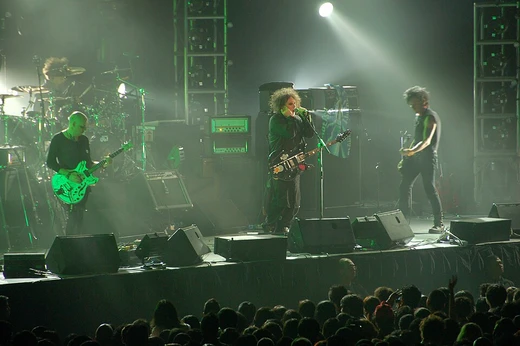
"Lullaby" is one of The Cure's most iconic and haunting songs, released as the lead single from their 1989 album *Disintegration*. It is a dark, atmospheric track that tells the story of a spider-like creature who crawls into a sleeping person's room to feed on their fears. The song is renowned for its eerie, whispered vocals, minimalist bassline, and the iconic "scrape" sound effect, making it a fan favorite and a staple of the band's live performances.
- Album
- Disintegration
- Release Year
- 1989
- Genre
- Alternative rock, Gothic rock
- Length
- 4:08 (single version), 4:40 (album version)
- Label
- Fiction Records
- Chart Performance
- Top 10 in UK Singles Chart
- Music Video Director
- Tim Pope
Lore & Background
In the world of The Cure, "Lullaby" embodies the band's fascination with childhood fears and the subconscious. The song's protagonist, a spider, is not merely a creature but a metaphor for anxiety and the creeping dread that invades the mind at night. Robert Smith has described it as a "lullaby for adults," turning a traditional soothing song into a nightmare. The spider's "long, spindly legs" and "spider hands" evoke a visceral, almost tactile horror, while the repeated phrase "on candy legs" adds a grotesque sweetness, blending innocence with menace. The song's narrative is deeply personal to Smith, who has spoken about his own childhood fear of spiders and how it morphed into a broader fear of intimacy and vulnerability. The spider becomes a symbol of unwanted attention, crawling into the sleeper's mouth to "feed" on their fear—a metaphor for the way anxieties consume us from within. This duality of attraction and repulsion is central to the song's power, making it a timeless exploration of the dark corners of the human psyche. "Lullaby" also reflects the broader themes of *Disintegration*, an album about loss, decay, and the fragility of relationships. The spider's predatory nature mirrors the album's exploration of how love can turn into something parasitic. Yet, the song's seductive, lullaby-like melody creates a paradox, luring the listener into a state of uneasy calm before the horror sets in. This tension between beauty and terror is a hallmark of The Cure's most celebrated work.
In Their Own Story
The room is dark, lit only by the pale glow of a streetlamp through the curtains. A child lies in bed, eyes wide, listening to the creak of the house settling. Then, a sound—soft, rhythmic, like the whisper of silk on wood. From the corner of the ceiling, a shadow stirs. It moves with deliberate grace, its legs long and thin, each step a tiny, deliberate click. The child cannot scream; the fear has stolen their voice. The spider descends, its body a patchwork of velvet and bone, and leans close. Its breath is cold, and its voice, when it speaks, is a lullaby: "Close your eyes, little one. Let me in." And the child does, because in the dark, the spider is the only comfort left.
Reader's Guide
"Lullaby" is a masterclass in lyrical economy and atmospheric tension. The lyrics are sparse yet vivid, painting a picture of a spider that is both grotesque and seductive. Lines like "the spider man is having you for dinner" and "on candy legs" create a nursery-rhyme quality that contrasts sharply with the song's dark subject matter. Musically, the track is built on a simple, repetitive bassline that mimics the spider's patient, stalking crawl—a low, pulsing heartbeat of dread. The drums are a whisper of brushed snare and hi-hat, never rising above a hush, while Simon Gallup's bass notes land like soft footfalls on a wooden floor. Robert Smith's vocal is a near-whisper, intimate and invasive, as if he's breathing the lyrics directly into the listener's ear from just behind the pillow. The song's bridge, where the bassline drops out and Smith murmurs "and it's never, ever, ever, ever over," is a moment of pure, suffocating claustrophobia—the spider's promise that the fear will follow you into waking life. Every arrangement choice, from the shimmering synth pads to the sudden, jarring scrape of the bow across the saw, serves to make the listener feel watched, vulnerable, and utterly alone in the dark.
Did You Know?
- The scraping sound in the song was created by running a violin bow across a metal saw, a technique suggested by producer David M. Allen.
- Robert Smith has said the song was inspired by a recurring nightmare he had as a child about a spider crawling into his mouth.
- The music video won the 1989 Brit Award for Best British Video.
- The single's B-sides include 'Babble' (a dark, atmospheric instrumental) and 'The Empty World' on some formats.
More in Iconic Songs & B-Sides
Elsewhere in the The Cure universe
Spotted an error? Know more?
This is a living reference — every entry is fact-audited, and reader corrections feed straight into our audit queue. Suggest an edit · See this site's audit record