The Lovecats
A purrfectly playful, jazzy Cure classic.

The Lovecats is a quintessential Cure single that captures the band's playful, whimsical side while showcasing their unique blend of post-punk and pop. Released as a standalone single in 1983, it became a fan favorite and a staple of their live performances, embodying the band's ability to craft darkly romantic, jazzy-inflected songs with a theatrical flair. The track's music video, featuring the band in cat costumes, further cemented its iconic status in Cure lore.
- B-Side
- Speak My Language
Lore & Background
The Lovecats emerged during a transitional period for The Cure, following the darker Pornography album and preceding the pop-oriented The Top. It represents a deliberate shift toward lighter, more accessible sounds, with Robert Smith's lyrics painting a whimsical picture of feline romance and domestic bliss. The song's upbeat tempo, double bass, and saxophone parts were a departure from the band's earlier gothic rock, demonstrating their range and willingness to experiment with genre.
In Their Own Story
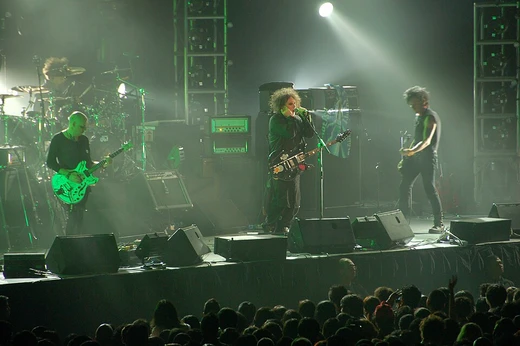
In a dimly lit club, the air thick with smoke and anticipation, the band takes the stage. Robert Smith, in smeared lipstick and a wild mane of hair, strums a jaunty bassline. The crowd sways as the saxophone weaves through the melody, and Smith croons about dancing cats and moonlit adventures. For a few minutes, the world outside fades, and everyone is a lovecat, lost in the song's playful embrace.
Reader's Guide
The Lovecats is a masterclass in lyrical whimsy, with Robert Smith's wordplay painting a vivid picture of feline romance and playful abandon. Lines like 'We move like cagey tigers' and 'We're so wonderfully wonderfully wonderfully wonderfully pretty' capture a sense of joyful, carefree love. Musically, the song is a standout for its use of double bass, piano, and saxophone, blending jazz, pop, and post-punk into a unique, infectious sound. The music video, directed by Tim Pope, is a fan favorite, featuring the band in cat costumes and a surreal, theatrical setting that perfectly complements the song's playful tone. It remains a beloved live staple, often eliciting sing-alongs and dancing from audiences, and is frequently cited as a gateway song for new fans discovering the band's lighter side.
Did You Know?
- Let's Go to Bed (1982) was the first Cure single to feature a saxophone, played by Ron Howe.
- The song's music video was filmed in a single day at a London studio, with the band members wearing cat masks and costumes so awkward that Robert Smith later joked they could barely see or move.
- Despite its playful tone, the song was written during a period of tension within the band, following the grueling Pornography tour that left Smith physically and emotionally drained.
- The Lovecats reached number 7 on the UK Singles Chart, becoming one of the band's highest-charting singles at the time and securing their first Top 10 hit in the process.
More in Iconic Songs & B-Sides
Elsewhere in the The Cure universe
Spotted an error? Know more?
This is a living reference — every entry is fact-audited, and reader corrections feed straight into our audit queue. Suggest an edit · See this site's audit record