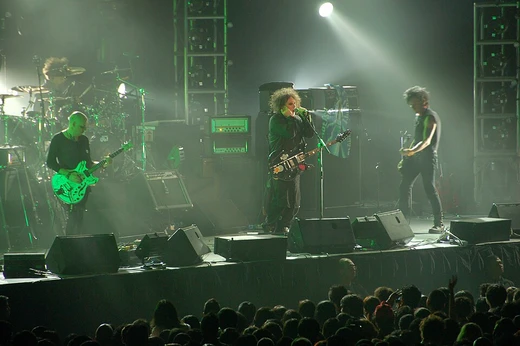
The Three Imaginary Boys Era
The debut era where melancholic melodies met post-punk energy to birth a legend—and a sound that still haunts dancefloors.

This era represents the foundational period of The Cure, centered around their debut studio album, *Three Imaginary Boys*. It marks the band's leap from local post-punk obscurity into a distinct musical identity that would soon captivate a global audience. During this time, Robert Smith solidified his position as the creative heart of the group, weaving melodic sensibilities into darker tones. The recordings established the sonic template for their future work while preserving the raw, scrappy energy of the late-1970s UK music scene—think cramped rehearsal rooms, cracked amps, and the smell of cigarette smoke clinging to leather jackets.
- Release Year
- 1979
Lore & Background
The title of this defining period has long been subject to speculation, with no single confirmed explanation from the band's leader. Some fans interpret it as a reference to childhood friends; others see it as abstract personas inhabiting Smith's songwriting mind, regardless of literal identity. Musically, this chapter bridges the gap between aggressive punk influences and a more atmospheric sound. The interplay between driving basslines and jangly guitars created a unique tension—a push-pull of urgency and melancholy—that resonated deeply with listeners feeling alienated by mainstream culture. It’s the sound of a band figuring out how to turn teenage angst into art without losing the grit.
In Their Own Story
The rehearsal room smelled of damp wool and stale tea. Outside, London rain blurred the streetlights into streaks of grey. Robert adjusted his guitar strap, the black paint chipping slightly at the edge. They played a chord progression that felt both sad and urgent, testing how the silence in the room reacted to the noise. No one spoke about fame yet; they only cared if the note held—if it could make the air feel heavier, or lighter, or both at once.
Reader's Guide
This sonic chapter is defined by jangly guitar lines layered over driving basslines, creating a tension between upbeat rhythms and somber melodies. The production retains a raw post-punk edge while introducing more atmospheric textures that hint at future experimentation. Visually, this period introduced the iconic dark aesthetic: messy hair, black eyeliner, and oversized coats that became synonymous with the band's image. Lyrical themes explore youthful alienation, romantic longing, and introspection, often delivered through cryptic imagery rather than direct narrative. Culturally, these recordings established a blueprint for the gothic rock movement, even as the group resisted specific genre labels at the time. The era solidified Robert Smith’s role as the primary creative force while showcasing the tight musical chemistry of the core lineup. It remains essential listening for understanding how the band evolved from local punk acts into international icons, balancing pop sensibilities with brooding darkness.
Did You Know?
- The album title's meaning remains officially ambiguous—Smith has called it a 'nonsense phrase' that just felt right.
- Early singles like 'Killing an Arab' and 'Boys Don't Cry' were standalone 7-inch singles, not EPs.
- Bassist Michael Dempsey anchored the rhythm section alongside drummer Lol Tolhurst, whose tight, propulsive playing drove the jangly guitars.
- Early makeup styles began here but evolved into heavier looks later—Smith's first smudges of eyeliner were more accident than statement.
More in Eras & Musical Styles
Elsewhere in the The Cure universe
Spotted an error? Know more?
This is a living reference — every entry is fact-audited, and reader corrections feed straight into our audit queue. Suggest an edit · See this site's audit record