4Tour
Darkness amplified: The Cure's bleakest live chapter.

The 4Tour was a pivotal concert series by The Cure, undertaken in 1982 to support their fourth studio album, *Pornography*. This tour marked a significant transition for the band, featuring a darker, more intense live sound that reflected the album's bleak, atmospheric themes. It is remembered by fans as a raw, emotionally charged period in the band's history, bridging the post-punk gloom of their early work with the evolving gothic rock style that would define their later years.
- Primary Lineup
- Robert Smith (vocals, guitar), Simon Gallup (bass), Lol Tolhurst (drums)
Lore & Background
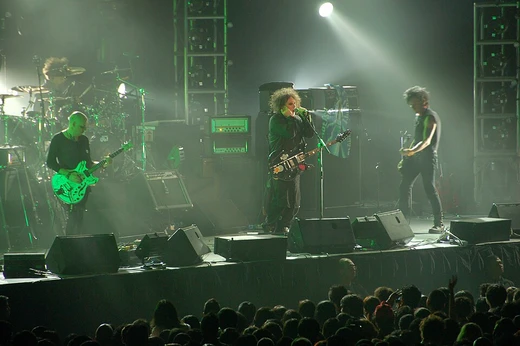
The 4Tour emerged from a period of deep creative turmoil for The Cure. Following the release of *Pornography*, an album steeped in despair and sonic density, the band embarked on a tour that mirrored that emotional weight. Robert Smith often performed with a sense of theatrical anguish, and the shows were known for their stark lighting, minimal stage banter, and a setlist heavy on the new album's tracks like 'One Hundred Years' and 'The Figurehead.'
In Their Own Story
The lights dimmed to a deep, pulsing red. The crowd, a sea of black-clad figures, fell silent as the first ominous chords of 'One Hundred Years' rumbled through the venue. Robert Smith stood motionless, his hair a tangled mess, his eyes fixed on some distant point beyond the audience. When he finally sang, his voice was a ragged howl, cutting through the fog and feedback. For two hours, the band played with a furious precision, each song a descent into a shared, beautiful darkness. As the final notes of 'Pornography' faded, the silence was deafening, broken only by the sound of a single, slow clap from the back of the room.
Reader's Guide
The 4Tour ran primarily through Europe and the UK in 1983, with a few dates in North America. The setlist was dominated by *Pornography* material, but also included older favorites like 'A Forest' and 'Primary,' often reworked with a heavier, more abrasive edge. Venues like the Hammersmith Odeon became legendary for their intense atmosphere, where fans recall the band's performance as both terrifying and mesmerizing. A notable controversy arose from the tour's dark aesthetic, with some critics accusing the band of glorifying despair, while fans defended it as honest art. The tour is also remembered for its lack of encores in many shows, a deliberate choice to maintain the bleak narrative. Memorable moments include a chaotic performance at the Royal Albert Hall, where the band's sound clashed with the venue's formal acoustics, creating a unique, dissonant energy that has become part of Cure lore.
Did You Know?
- Andy Anderson did not join The Cure until after the *Pornography* tour.
- Some shows on the tour featured a support act that included future members of other prominent post-punk bands.
- The tour's stark lighting design was inspired by German expressionist cinema, according to fan accounts.
- Robert Smith reportedly suffered from severe stage fright during parts of this tour, adding to the raw, vulnerable nature of the performances.
More in Tours & Live Performances
Elsewhere in the The Cure universe
Spotted an error? Know more?
This is a living reference — every entry is fact-audited, and reader corrections feed straight into our audit queue. Suggest an edit · See this site's audit record