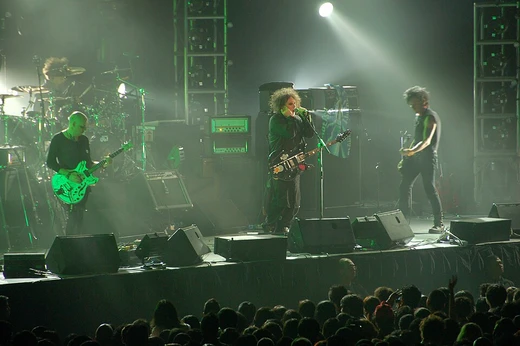
Baroque Gothic Style
Where minimalism met profound melancholy, and emptiness became a canvas.

The early 1980s period of The Cure—often referred to as the 'gothic' or 'dark' trilogy—represents a pivotal chapter in the band's evolution, marking their transition from post-punk energy into a darker, more introspective soundscape. Characterized by minimalist arrangements and emotional depth, this period established the sonic identity that would resonate with fans for decades. During this time, the group explored textures of gloom and isolation, favoring cavernous reverb and sparse guitar lines, though pop-influenced structures remained present in albums like Seventeen Seconds. It is widely regarded as the foundation upon which their legendary status was built, influencing countless artists who followed in their shadow.
- Primary Figure
- Robert Smith
- Era Period
- Early 1980s
- Key Instrumentation
- Reverb Guitar and Bass
- Visual Signature
- Dark, ragged clothing and heavy makeup
- Genre Classification
- Post-Punk and Gothic Rock
- Notable Albums
- Seventeen Seconds, Pornography
- Vocal Style
- Low, brooding baritone with occasional higher registers
Lore & Background
This stylistic shift emerged as the band sought to express deeper emotional states through their instrumentation. The music became less about rhythm and more about atmosphere, utilizing heavy reverb to create a sense of vast emptiness around the listener—as if the songs were recorded in a cathedral at midnight. Visually, the members adopted a look that mirrored the somber tone of the recordings. Pale makeup contrasted sharply with dark, often ragged clothing, creating an image that was both striking and unsettling, like a portrait drained of warmth. This aesthetic became synonymous with the gothic subculture movement, inspiring legions of fans to adopt the look. The production choices prioritized mood over technical perfection, allowing for raw vulnerability in every track—cracked vocals and buzzing amps left in, not polished out. Fans often point to this era as the most emotionally honest work produced by the group, capturing a specific moment of artistic introspection when the band seemed to be listening to their own shadows.
In Their Own Story
The stage lights hummed with a low voltage buzz before fading into darkness. Robert stood center stage, adjusting his black suit jacket while the bass guitar rested against his shoulder like an old friend. The air smelled of stale smoke and damp velvet curtains. He closed his eyes, listening to the silence between the notes, knowing that the emptiness was where the music truly lived. The crowd held its breath, waiting for the first chord to fall like a stone into still water.
Reader's Guide
The sonic landscape of this period relies heavily on bass-driven rhythms and reverberating guitar textures that create a sense of vast emptiness. Drumming is often mechanical and steady, providing a heartbeat for the melancholic melodies. Visually, the aesthetic shifted toward monochrome uniforms, featuring tailored black suits and distinctive pale makeup paired with long, dyed hair. This look became iconic within the emerging gothic subculture. Lyrical themes explore isolation, depression, and existential dread without offering easy resolutions or hope. The cultural impact was immediate, influencing a generation of musicians who sought to express darker emotions through rock music. It cemented the band's reputation as pioneers of atmospheric soundscapes rather than traditional pop acts. Fans often cite this era as the most emotionally raw period in their catalog. The production techniques used during these sessions prioritized mood over technical perfection. This approach allowed for a unique intimacy between the artist and the listener.
Did You Know?
- The Cure's early 1980s period is often called the 'gothic' or 'dark' trilogy, marking their shift from post-punk into a darker, more introspective sound.
- The band's visual aesthetic during this time—pale makeup and dark, ragged clothing—became synonymous with the gothic subculture movement.
- Production choices prioritized mood over technical perfection, with cracked vocals and buzzing amps left in the final tracks.
- The album Seventeen Seconds is cited as part of this era, featuring minimalist arrangements and heavy reverb to create a sense of vast emptiness.
More in Eras & Musical Styles
Elsewhere in the The Cure universe
Spotted an error? Know more?
This is a living reference — every entry is fact-audited, and reader corrections feed straight into our audit queue. Suggest an edit · See this site's audit record