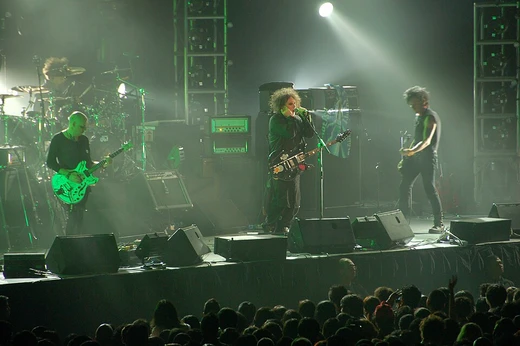
Pornography Industrial Gloom
A claustrophobic soundscape where distortion becomes a second heartbeat and every riff feels like a scream swallowed by concrete.

Pornography Industrial Gloom represents a specific, intense chapter in The Cure's artistic evolution, characterized by an uncompromising descent into darkness. This era is defined by the band's shift away from their earlier gothic-pop sensibilities toward a raw, abrasive sound that mirrored themes of depression, alienation, and existential dread. It serves as the sonic bridge between their melodic roots and the industrial textures they would later explore, marking a period where Robert Smith and his cohorts pushed their music to its most dissonant and emotionally heavy limits.
- era_focus
- Mid-1980s transition
- primary_sound
- Distorted guitars, minimal melody, industrial percussion
- key_album_association
- Pornography (1982) through Disintegration era influences
- visual_aesthetic
- Smudged dark makeup, tattered clothing, monochromatic settings
- emotional_tone
- Despair, cynicism, isolation
Lore & Background
Fans often describe this phase as 'industrial gloom' because it stripped away the romanticism of earlier gothic rock, replacing it with a cold, metallic sheen. The lyrics during this time rarely offered hope or resolution; instead, they painted pictures of urban decay and internal ruin. This aesthetic wasn't just a musical choice but a philosophical stance, rejecting the commercial polish of the music industry in favor of an authentic, albeit painful, expression of human frailty. It was the sound of a band dismantling their own myth, one feedback loop at a time.
In Their Own Story
The rain didn't wash the streets clean; it only made the grime slicker under the flickering streetlamp. He stood by the rusted fence, the sound of distant machinery vibrating through the soles of his boots, a rhythm that matched the pounding in his chest. There was no melody here, only the screech of metal on metal and the low hum of a city that had forgotten how to sleep. In this silence between the noise, he felt the weight of everything unsaid pressing down, a heavy cloak of shadows that no light could ever pierce. Somewhere, a train groaned in the distance, and he wondered if it was carrying away the last fragments of his voice.
Reader's Guide
Sonic characteristics of this era are defined by a departure from clean guitar tones in favor of heavy distortion and feedback loops. The rhythm section often mimics industrial machinery, utilizing repetitive, pounding drums that create a sense of relentless motion without direction. Visually, the aesthetic is stark and monochromatic. Makeup is applied heavily to obscure facial features, creating a mask-like appearance that emphasizes eyes as the only windows to emotion. Fashion consists of layered, tattered clothing in black or dark grey, often looking worn and unkempt to reflect internal decay. Lyrical themes focus intensely on isolation, hopelessness, and the breakdown of human connection. The narrative voice is often cynical, rejecting traditional romantic tropes for a more brutal honesty about mental anguish. Culturally, this era cemented the band's reputation as pioneers of dark alternative music, influencing generations of artists who sought to express pain without sugarcoating it.
Did You Know?
- This era is often cited by critics as the point where The Cure fully embraced their 'dark' identity before later exploring more melodic territories.
- The visual style established during this time, particularly the heavy eye makeup and disheveled hair, became a lasting icon of gothic subculture.
- Many fans consider the music from this period to be the most sonically aggressive and least commercially accessible in the band's catalog.
More in Eras & Musical Styles
Elsewhere in the The Cure universe
Spotted an error? Know more?
This is a living reference — every entry is fact-audited, and reader corrections feed straight into our audit queue. Suggest an edit · See this site's audit record