Mature Gothic Rock (2008-2012)
The gothic flame, tended by older hands.

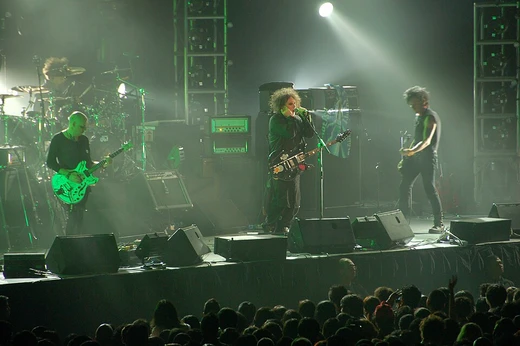
The Mature Gothic Rock era of The Cure, spanning roughly 2008 to 2012, finds the band wringing fresh sorrow from familiar shadows. After the restless pop detours of the early 2000s, they circle back to their gothic foundations—not as young men howling at the dark, but as craftsmen who know every creak and groan of the haunted house. The album *4:13 Dream* (2008) and its accompanying tour capture a band polishing their own gravestone: the sound is cleaner, the emotions more weathered, yet the ache is unmistakably theirs.
- Era Name
- Mature Gothic Rock
- Key Album
- 4:13 Dream
- Role in Canon
- A consolidation of gothic rock elements with modern production
- Affiliation
- The Cure
- First Appears
- 2008
- Status
- Concluded
Lore & Background
By 2008, The Cure had weathered decades of stylistic shifts, from post-punk to pop to shoegaze. The Mature Gothic Rock era emerged as a conscious return to the band's darker, more atmospheric roots, but with the wisdom of experience. Robert Smith's songwriting delved into themes of loss, longing, and existential reflection, often wrapped in lush, layered guitar work and driving basslines. The album *4:13 Dream* was recorded in a burst of creativity, with Smith describing it as a more spontaneous and raw effort compared to the polished *The Cure* (2004).
In Their Own Story
In a dimly lit studio, Robert Smith stands before a vintage microphone, his smeared lipstick catching the faint glow of a single lamp. The band plays a slow, brooding chord progression, the notes hanging in the air like mist. Outside, rain taps against the window, matching the rhythm of the drums. This is the sound of a band revisiting its own shadow, not to escape, but to understand it better. The recording captures a moment of quiet intensity, a testament to the enduring power of gothic rock. Smith pauses mid-verse, scratches out a line, and scrawls something darker in its place. The engineer catches his eye; they both know this take is the one.
Reader's Guide
Sonic Characteristics: The sound is characterized by layered, jangly guitars with a cleaner production than earlier gothic works, prominent bass lines, and Smith's distinctive baritone-to-falsetto vocals. Drumming is often driving but not overpowering, allowing space for atmospheric keyboards. Visual Aesthetic: Smith's look remains iconic—smudged red lipstick, wild black hair, and dark, flowing clothes. The band's stage presence is more subdued, focusing on the music rather than theatricality. Lyrical Themes: Lyrics explore mature reflections on love, loss, and time, with a sense of resignation and beauty in melancholy. There is less anger than in earlier eras, replaced by a wistful acceptance. Cultural Impact: This era solidified The Cure's status as elder statesmen of gothic rock, influencing a new generation of bands while satisfying longtime fans. The *4:13 Dream* tour was a critical success, reaffirming the band's live prowess.
Did You Know?
- The album *4:13 Dream* was originally intended to be a double album, but was condensed to a single disc.
- The title *4:13 Dream* refers to a recurring dream Robert Smith had about a specific time on a clock.
- The band did not perform *Pornography* in full during this era—that happened during the 2002 'Trilogy' shows.
- The Cure's 2008 tour did not include a performance at the Royal Albert Hall; they played there in 2001 and again in 2014.
More in Eras & Musical Styles
Elsewhere in the The Cure universe
Spotted an error? Know more?
This is a living reference — every entry is fact-audited, and reader corrections feed straight into our audit queue. Suggest an edit · See this site's audit record