Experimental / Electronic (1996-1998)
Synthesizers and sorrow: The Cure's electronic detour.

The Experimental / Electronic era of The Cure, spanning roughly 1996 to 1998, marks a bold departure from the band's signature guitar-driven sound. This period is defined by the release of the album *Wild Mood Swings* (1996) and the subsequent *Galore* singles compilation (1997), which saw Robert Smith and the band embrace synthesizers, drum machines, and studio experimentation. It represents a time of transition, where the group explored more eclectic, often darker electronic textures while maintaining their melancholic lyrical core.
- Notable Singles
- The 13th, Mint Car, Gone!
Lore & Background
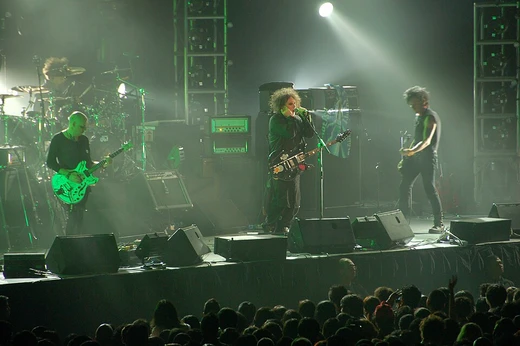
This era found The Cure at a crossroads, following the massive success of *Wish* (1992) and a period of lineup changes. Robert Smith, ever restless, sought to push the band into new sonic territories, incorporating more overt electronic elements. The album *Wild Mood Swings* reflected its title, veering from upbeat pop to brooding, experimental tracks, often using drum machines and layered synths in place of traditional guitar rock. The band's live shows during this time featured extended, atmospheric versions of songs, with Smith often wielding a keytar—a gleaming, plastic-and-chrome symbol of the era's electronic shift that drew both cheers and bewildered stares from the crowd.
In Their Own Story
The studio hummed with a low, synthetic thrum. Robert adjusted the knobs on a battered synthesizer, its green glow casting shadows on his face. A drum machine clicked out a cold, precise beat, while Simon’s bass, processed through a wall of effects, rumbled like distant thunder. They were building something new—a sound that was both alien and familiar. 'It's like painting with electricity,' Robert murmured, layering a ghostly vocal over the track. The air smelled of ozone and old coffee, and for a moment, the band was lost in the static between the past and the future.
Reader's Guide
Sonic characteristics: Heavy use of synthesizers, drum machines, and sequencers. Guitars are often textural or processed, with a focus on atmospheric pads and cold, rhythmic pulses. Songs range from danceable pop (Mint Car) to dark, brooding experiments (The 13th). Visual aesthetic: Robert Smith's signature messy hair and smeared lipstick remained, but the look became more androgynous and futuristic, with metallic fabrics and keytars. The band's overall style was less gothic and more cyberpunk-tinged. Lyrical themes: Continued exploration of love, loss, and alienation, but with a more detached, observational tone. Songs like Gone! capture a sense of frantic, modern anxiety. Cultural impact: This era divided fans, with some embracing the innovation and others longing for the guitar-driven sound. It influenced later electronic rock acts and demonstrated The Cure's refusal to be pigeonholed.
Did You Know?
- The song 'Wrong Number' was released as a standalone single in 1997, not included on the *Galore* compilation, and features a rare, aggressive electronic sound, with Smith snarling over a punishing beat.
- The *Wild Mood Swings* album title was inspired by the band's own fluctuating moods during its creation—reportedly, the sessions swung from euphoric jam sessions to tense, silent standoffs.
- This era saw the band experiment with remixes, releasing several 12-inch singles with extended electronic versions that stretched songs into hypnotic, club-friendly odysseys.
- Robert Smith played a keytar during live performances of this period, a departure from his usual guitar or bass—and he wielded it with a theatrical flair that made it an unlikely but iconic stage prop.
More in Eras & Musical Styles
Elsewhere in the The Cure universe
Spotted an error? Know more?
This is a living reference — every entry is fact-audited, and reader corrections feed straight into our audit queue. Suggest an edit · See this site's audit record